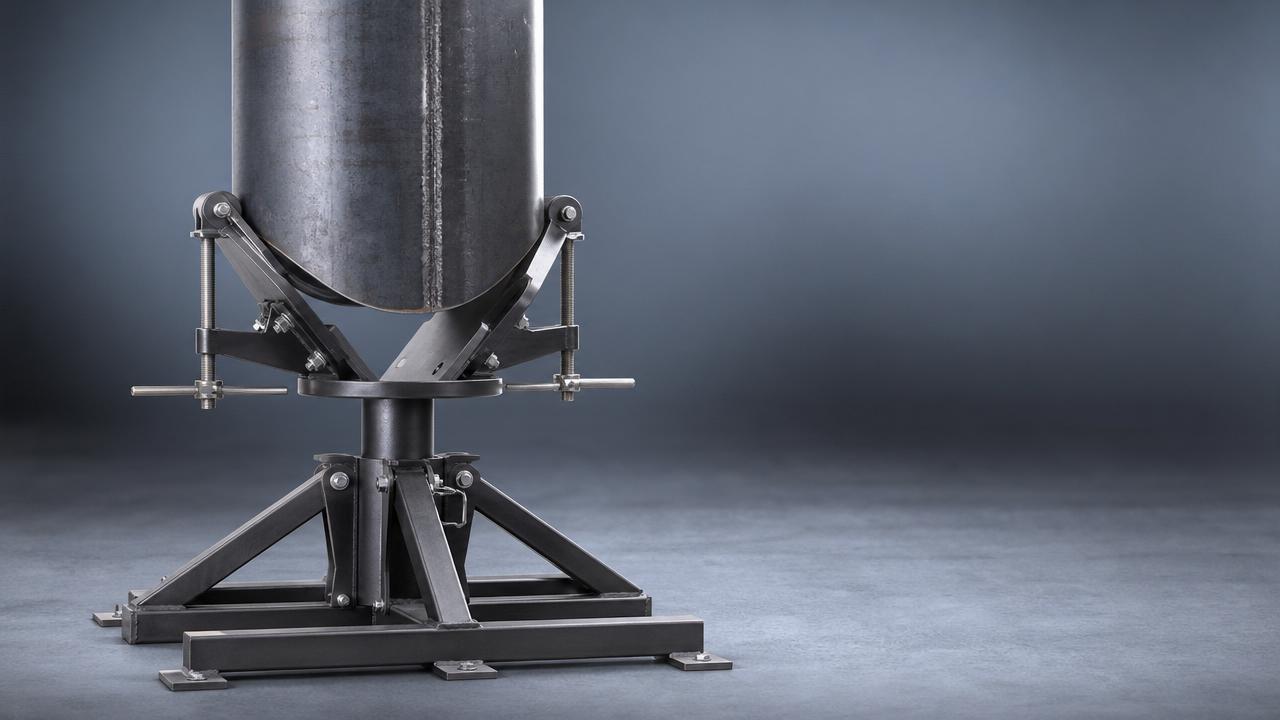
Before starting any vertical weld, safety checks are not optional—they determine weld quality, operator protection, and jobsite efficiency. Is a pipe welding stand safe for vertical welding? The answer depends on several critical factors, from stand stability and load capacity to pipe clamping, surface level, and heat exposure. Understanding these checks helps welders reduce tipping risks, prevent misalignment, and maintain safer, more controlled vertical welding operations.
For fabricators, maintenance contractors, and procurement teams working with welding equipment, the question is not only whether a stand can hold pipe, but whether it can hold it safely through the full vertical welding cycle. A stand that performs well in horizontal fit-up may still create hazards when welding heat, torch angle, and operator movement change the load pattern.
In practical terms, a safe setup depends on at least 6 checks: rated load, base stability, pipe centering, clamp condition, floor level, and heat separation from sensitive stand components. When these points are verified before arc start, vertical welding becomes more predictable, with less rework, fewer interruptions, and lower handling risk.
Core Safety Checks Before Vertical Welding on a Stand
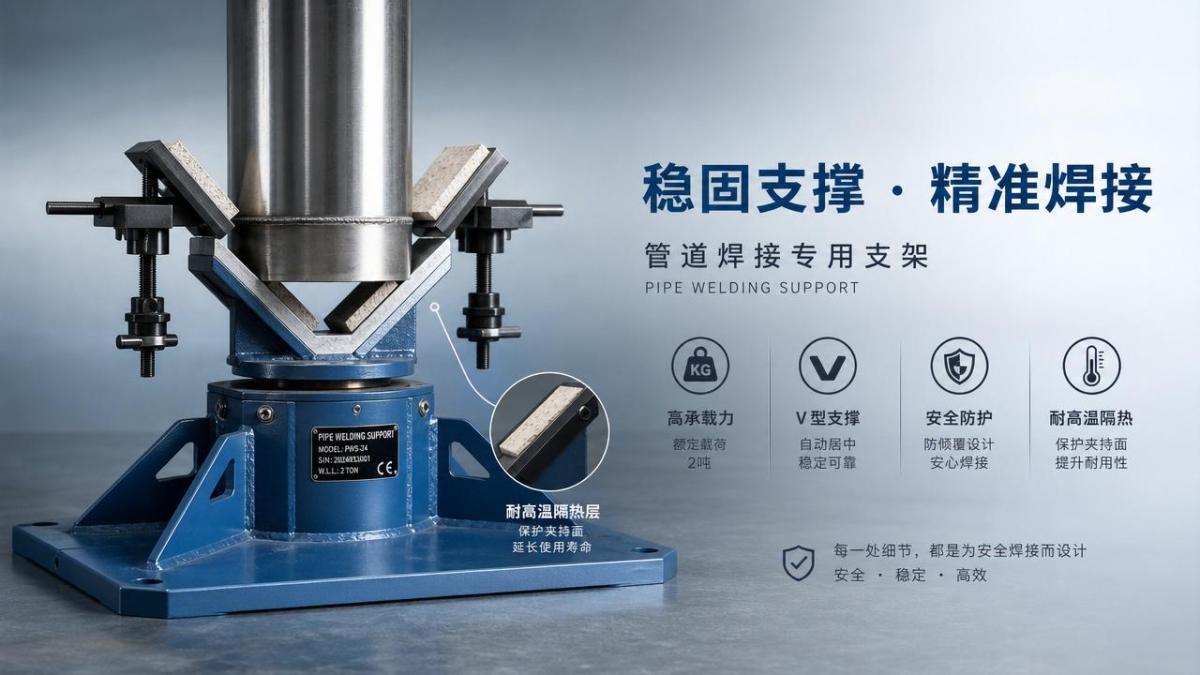
If the main concern is, “Is a pipe welding stand safe for vertical welding?” the first answer is that safety begins with setup quality, not with the stand name alone. A pipe welding stand must be evaluated under actual vertical welding conditions, especially when handling pipe sections from 100 mm to 600 mm diameter or loads from 150 kg to 1,000 kg.
Check 1: Confirm Rated Load and Real Working Load
Many jobsite incidents start with a mismatch between nominal stand capacity and real operating weight. The safe working load should include the pipe, fittings, tack welds, temporary attachments, and any rotational force applied during positioning. A common best practice is to keep the working load within 70% to 80% of the stand’s rated capacity for more stable control.
For example, if a stand is rated for 1,000 kg, a safer continuous working target for vertical welding may be 700 to 800 kg, especially on uneven site floors. This margin helps account for side loading, operator contact, and small shifts during fit-up. Overloading even by 10% can reduce stability much faster than many crews expect.
Check 2: Inspect Base Footprint and Anti-Tip Stability
Vertical welding changes the center of gravity more than flat-position work. A narrow base, worn feet, or loose leg hardware can make the stand vulnerable to rocking. On site, the base should sit fully in contact with the floor at all support points. If one foot lifts even 3 mm to 5 mm, the setup should be corrected before welding starts.
Tripod and four-leg designs each have advantages, but stability depends on contact quality and load distribution. If the pipe is offset from center by more than a small tolerance, the stand can behave as though it is carrying a higher side load. This is one reason vertical welding requires stricter pre-use checks than simple storage or staging.
Quick field indicators of poor stability
- Visible rocking when pipe is rotated by hand
- Base feet resting on slag, cable, or debris
- Leg fasteners showing looseness after transport
- Stand leaning more than a slight visible angle
- Noticeable vibration transfer during tack welding
Check 3: Verify Pipe Clamping and Roller Condition
A pipe welding stand safe for vertical welding must hold the workpiece without drift. Rollers, V-heads, or clamp contact points should be clean and free from oil, scale buildup, and damaged edges. If rollers have flat spots or excessive wear, the pipe may shift by a few millimeters during weld preparation, enough to affect root alignment.
Where clamps are used, they should be checked for thread damage, jaw wear, and smooth engagement. A simple 2-step verification helps: first, secure the pipe and observe whether it settles; second, apply controlled manual force to test movement. Any slip under moderate force is a clear warning that the setup is not ready for vertical welding.
The table below shows practical pre-weld checkpoints that help answer whether a stand is suitable for vertical work rather than only light handling.
These checks are simple, but they directly affect weld quality and operator safety. In many workshops, 5 minutes spent on load and clamp verification prevents hours of rework caused by movement, poor root fit, or unstable pipe positioning.
Check 4: Evaluate Floor Level, Anchoring, and Surrounding Space
Even a well-built stand can become unsafe on a poor surface. The floor should be level, dry, and free from grinding dust piles, offcuts, and cable congestion within at least a 1 m to 1.5 m working radius. On temporary sites, steel plate shims may be needed to correct minor floor irregularities, but unstable stacking should never be used.
Where repeated vertical welding is performed in one bay, some users prefer stands with locking wheels removed or fixed placement zones marked on the floor. Mobility is useful for handling, but once welding begins, unintended movement must be reduced as close to zero as practical.
Heat, Alignment, and Operator Risk During Vertical Welding
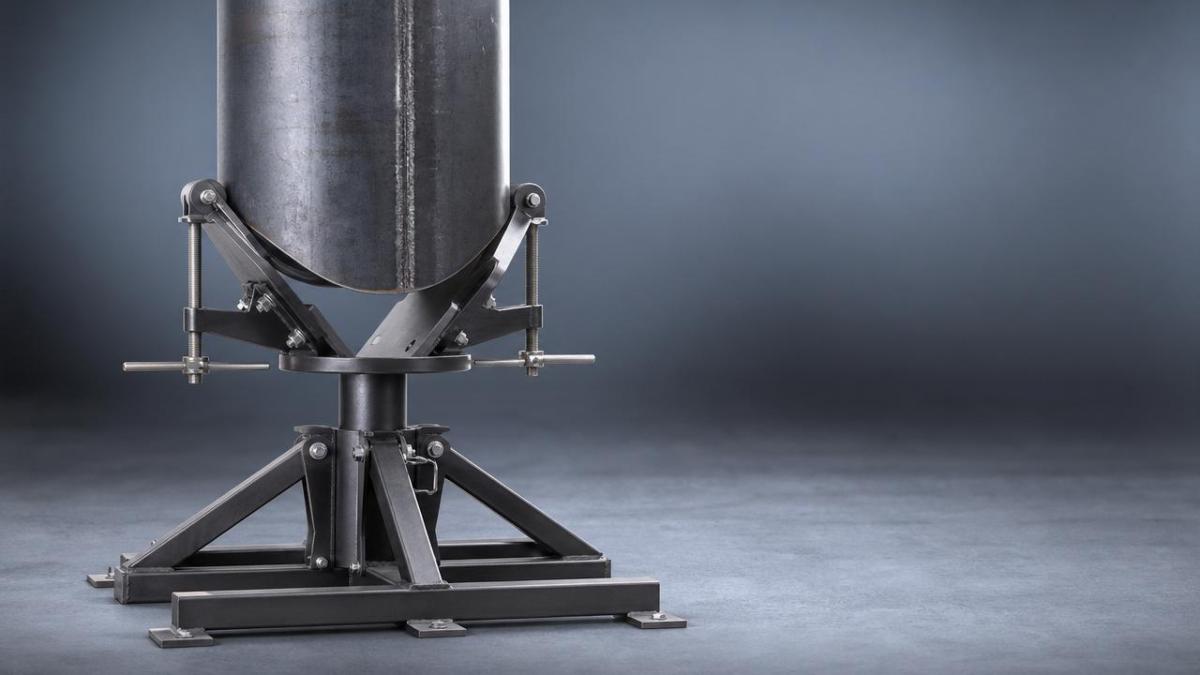
A second part of the answer to “Is a pipe welding stand safe for vertical welding?” involves how the stand behaves after arc initiation. Heat input, weld spatter, operator reach, and changing body position all place new demands on the equipment. A stand that is stable when cold can become less reliable if heat-sensitive parts are exposed too closely.
Heat Exposure and Material Compatibility
Some pipe stands use coated rollers, polymer contact elements, or grease-lubricated moving points. During vertical welding, those features must be protected from direct spatter and radiant heat. If the weld zone sits too close to a sensitive support component, degradation can begin quickly, especially during repeated passes lasting 15 to 40 minutes.
A practical rule is to keep vulnerable stand parts out of direct spatter range and to use shields when needed. Heat damage does not always fail suddenly; it often appears first as roller drag, clamp stiffness, or uneven pipe movement. Those signs should trigger immediate inspection before the next weld cycle.
Alignment Control Matters as Much as Strength
A stand may be strong enough but still not precise enough. Vertical welding often requires tighter alignment retention because gravity and heat distortion work together. If the support points allow pipe sag, offset, or rotational creep, welders may fight the setup rather than control the puddle. In many pipe applications, a misalignment of even 1 mm to 2 mm can affect fit-up efficiency.
For this reason, buyers comparing welding equipment should ask not only about load rating but also about adjustment range, support head type, and repeatability. Height adjustment increments, locking mechanism quality, and roller smoothness influence whether the stand supports welding accuracy or becomes a source of constant correction.
Key alignment-related questions for buyers
- Does the stand keep the pipe centered during tack and root pass?
- Can the height be adjusted in controlled increments rather than rough steps?
- Will the support head resist drift when exposed to vibration and thermal cycles?
- Is the stand suitable for the target diameter range and wall thickness mix?
The comparison below helps distinguish between a stand that is only acceptable for handling and one better suited for safer vertical welding operations.
The most important conclusion is that safe vertical welding depends on both strength and control. Procurement decisions based only on capacity can miss the operational factors that affect weld consistency every day.
Operator Positioning and Safe Access
Operator movement during vertical welding changes how force is transferred to the pipe and stand. If the welder must overreach, brace against the workpiece, or step around poor cable routing, the setup becomes less stable. A clear access zone, good lead management, and comfortable torch angle can reduce accidental contact with the stand.
For repeat jobs, a 3-point work planning approach helps: place the stand, check the weld access angle, and confirm cable path before clamping the pipe. This reduces mid-weld repositioning, which is a common source of pipe shift and operator fatigue. Better ergonomics also help maintain more consistent travel speed and bead control.
How to Select and Maintain a Safer Pipe Welding Stand
If your team is purchasing new welding equipment or reviewing current shop tooling, the safer approach is to match the stand to the real process window. That includes pipe diameter range, maximum part weight, weld position, expected heat exposure, and daily duty frequency. Buying for the average load but ignoring the heaviest 10% of jobs usually creates avoidable safety gaps.
Selection Criteria That Matter in B2B Purchasing
A useful purchasing review often includes 4 criteria: capacity margin, support style, adjustment reliability, and maintenance accessibility. In fabrication environments with mixed spool sizes, a stand that covers only one narrow diameter range may increase setup time. In contrast, a more adaptable support system can reduce changeover and lower handling interruptions across several job types.
- Choose capacity based on peak real load, not catalog optimism.
- Prefer support heads that keep the pipe centered during fit-up.
- Check replacement availability for rollers, pins, and locking parts.
- Review whether the stand is intended for welding exposure, not only transport support.
Routine Inspection and Maintenance Frequency
A pipe welding stand safe for vertical welding today may not remain safe after months of hard use without inspection. Daily visual checks should cover bent members, cracked welds, seized rollers, and missing retaining hardware. Weekly checks can include fastener tightness, roller rotation, and height lock performance, while monthly reviews should look for wear trends and repair needs.
This maintenance rhythm is especially important in heavy fabrication, field erection, and repair projects where stands are frequently moved. Transport shock often loosens components before visible structural damage appears. A short inspection routine of 3 to 7 minutes per stand can prevent unscheduled stoppages and unsafe loading conditions.
Common warning signs that require immediate removal from service
- Cracks at the leg joint or head connection
- Rollers that bind, wobble, or no longer rotate evenly
- Height pins or screw locks showing deformation
- Permanent leaning after load removal
- Clamp parts that cannot maintain holding force
For companies evaluating safer setups, the central takeaway remains clear: Is a pipe welding stand safe for vertical welding? Yes, but only when the stand is correctly rated, properly maintained, accurately centered, and used on a stable surface with controlled heat exposure. Safety comes from the full system, not from one feature alone.
If you are comparing pipe support equipment for fabrication, installation, or repair work, focus on stands that provide stable load handling, dependable adjustment, and easier inspection access. The right selection can improve weld consistency, reduce handling risk, and support smoother jobsite execution. Contact us now to discuss your application, get a tailored recommendation, or learn more about welding stand options for safer vertical welding.
Leave A Message
If you are interested in our products and want to know more details, please leave a message here, we will reply you as soon as we can.